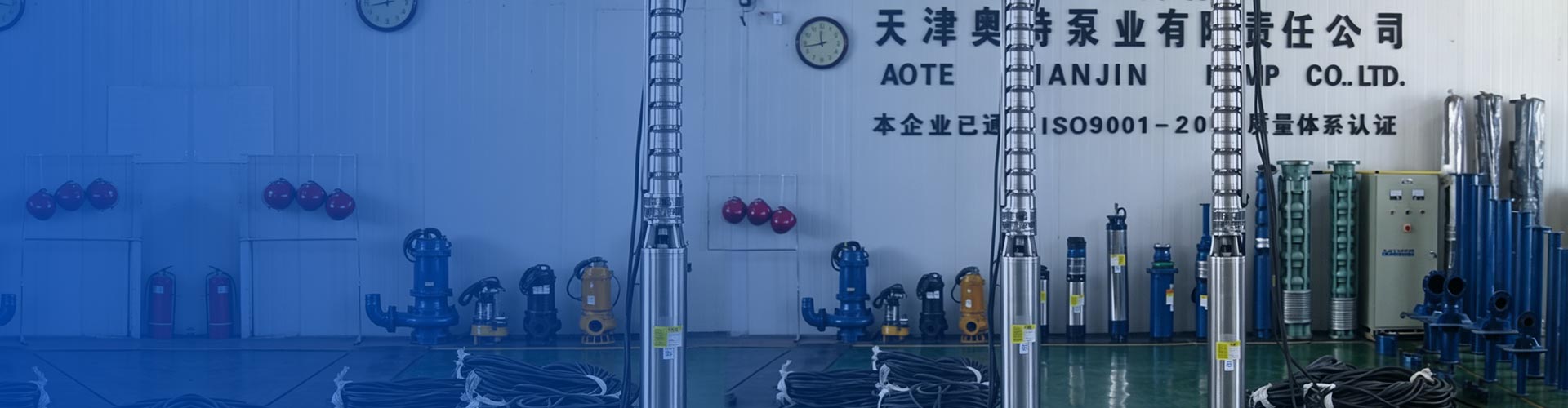
Aote Tianjin Pump Co., Ltd.
اخبار

اخبار

What Are the Key Benefits of Using High Temperature Armored Cable?

Inside a geothermal power plant, where steam at over 300°C rushes through massive pipes, a monitoring system is the only thing standing between safe operation and catastrophe. Sensors track temperature, pressure, and flow, transmitting critical data to a control room. But the cables carrying these signals pass through zones where ambient temperatures regularly exceed 250°C, and occasional temperature spikes can reach 400°C. A standard PVC-insulated cable would fail within minutes, its insulation melting, its conductors shorting out. The plant engineer needs a cable that can survive not just the heat, but also the vibration, the corrosive steam, and the possibility of physical impact. The solution is High Temperature Armored Cable.


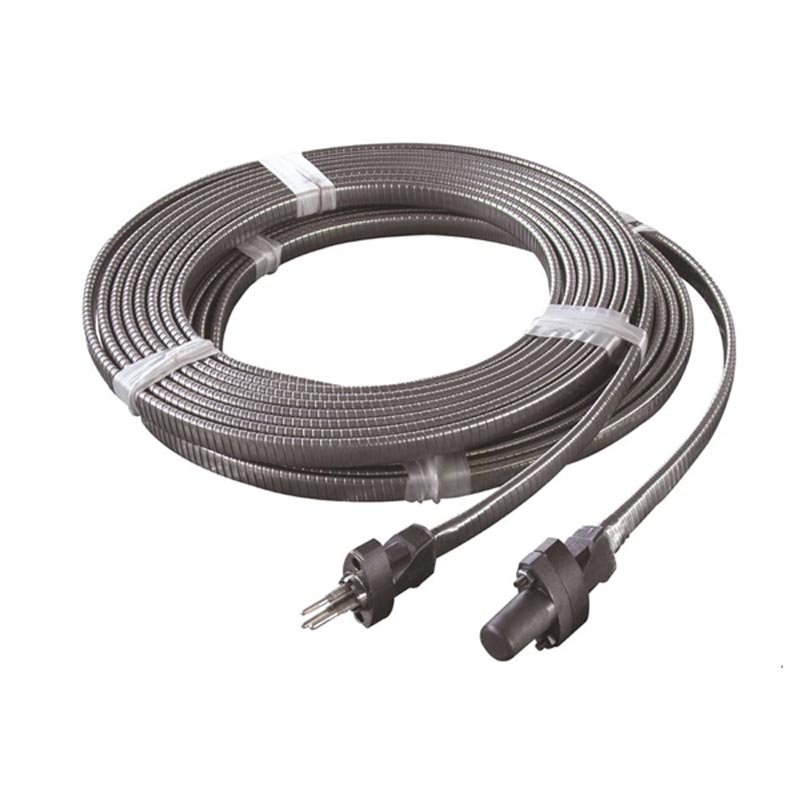
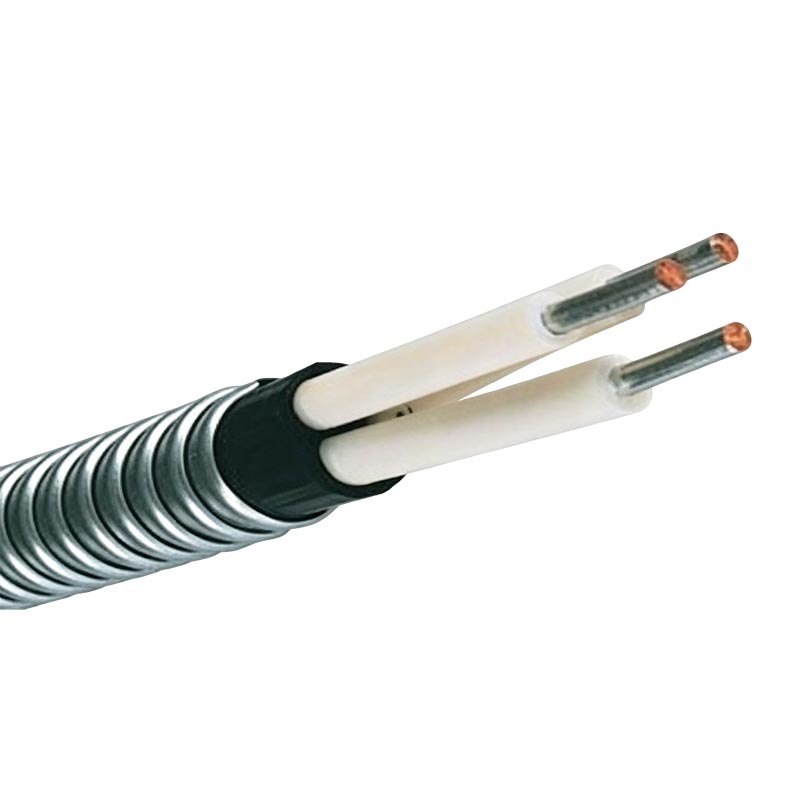
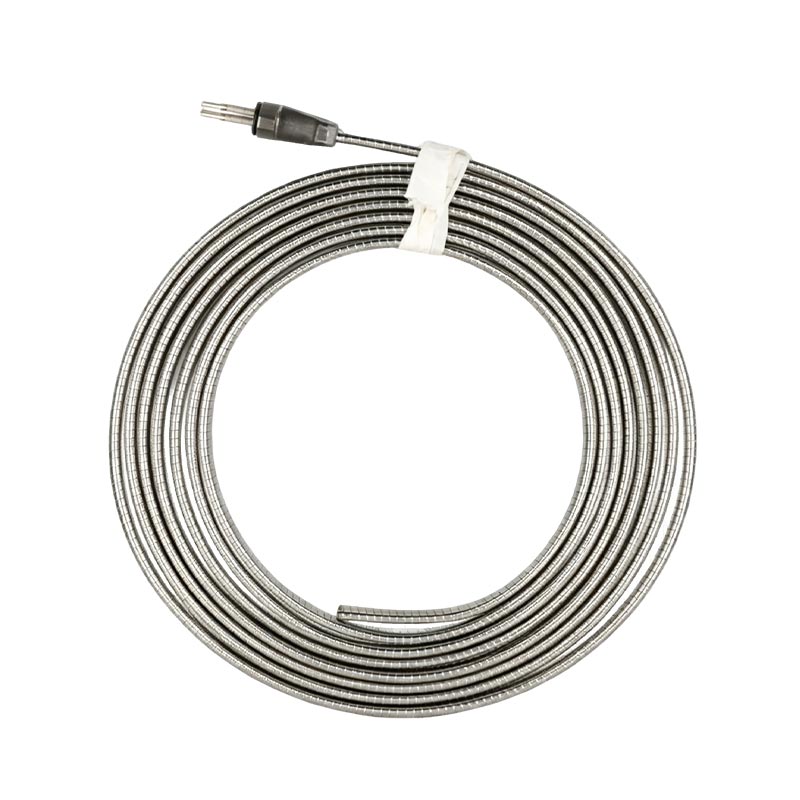
High Temperature Armored Cable is a specialized power and control cable engineered for the most punishing industrial environments. It combines two essential features: a heat-resistant insulation system—typically made of silicone rubber, PTFE, mica, or ceramic fibers—and a protective metallic armor layer. This armor can be steel wire, steel tape, aluminum, or copper, depending on the application. The result is a cable that can operate continuously at temperatures up to 350°C (and higher for short durations), withstand crushing and impact, resist chemical attack, and even maintain circuit integrity during a fire. This article will explore the key benefits of using High Temperature Armored Cable, examining its heat resistance, mechanical protection, chemical resilience, safety features, and system reliability. We will also provide a detailed technical overview of the specifications that define a high-performance cable, helping engineers and procurement professionals make informed decisions for their critical applications.

Armored Cable


Table of Contents


1. What Is an Armored Cable and Where Is It Used?

An Armored Cable is an electrical cable that incorporates an additional metallic protective layer—the armor—wound or wrapped around the cable's insulation. This armor serves as a robust shield, protecting the cable's core from mechanical damage, environmental hazards, and external stresses. The armor can be made from various materials depending on the application: galvanized steel wire or tape (the most common), aluminum, copper, or stainless steel. The design ensures that the cable can withstand crushing, impact, and tension loads that would easily damage a standard cable. This makes Armored Cable an indispensable solution for harsh industrial environments where physical damage is a constant threat.


Within the broader category of Armored Cable, there is a specialized class known as High Temperature Armored Cable. This cable is designed to operate reliably in environments where temperatures exceed the limits of standard cable insulation materials. While a typical PVC cable is rated for 70-90°C and a standard XLPE cable for 90-105°C, High Temperature Armored Cable can operate continuously at temperatures of 250°C, 350°C, or even higher, depending on the insulation material used. The key to this performance lies in the insulation system, which utilizes advanced materials such as silicone rubber, PTFE (polytetrafluoroethylene), mica tape, or ceramic fiber. These materials maintain their electrical and mechanical properties even at elevated temperatures, ensuring that the cable remains functional in extreme conditions.


The applications for High Temperature Armored Cable are diverse and demanding. In geothermal energy production, it is used to connect downhole sensors to surface monitoring equipment. In steel mills and glass manufacturing plants, it runs alongside furnaces and molten metal processing areas. In petrochemical refineries, it operates in areas with high ambient heat and explosive atmospheres. In aerospace and defense, it is used in engine compartments and other high-heat zones. Our factory at Aote Tianjin Pump Co., Ltd. has supplied High Temperature Armored Cable to projects ranging from industrial heating systems to specialized submersible pump applications, where heat and mechanical stress are daily challenges.

API Standard MLE


1.1 Key Technical Specifications That Define High Temperature Armored Cable

Understanding the technical specifications of High Temperature Armored Cable is essential for selecting the right product for your application. The specifications define the cable's capabilities and limitations across all critical parameters. The following table provides a detailed overview of the key specifications for a typical High Temperature Armored Cable product range.


Specification Typical Values / Range Description
Conductor Material Copper (tinned or bare), Nickel-plated Copper, Stainless Steel Choice depends on temperature and corrosion resistance required.
Insulation Material Silicone Rubber, PTFE, Mica Tape, Ceramic Fiber, Glass Fiber Determines the maximum continuous operating temperature.
Insulation Temperature Rating 180°C (Silicone), 250°C (PTFE), 350°C (Mica/Ceramic), 550°C (Mineral Insulation) Maximum temperature the cable can withstand continuously.
Armor Type Steel Wire, Steel Tape, Aluminum Tape, Copper Tape, Stainless Steel Provides mechanical protection; material selection depends on environment.
Armor Material Options Galvanized Steel (GSW), Stainless Steel (SS304, SS316), Aluminum (Al), Copper (Cu) Offers varying levels of corrosion resistance and magnetic properties.
Voltage Rating 300/500V, 450/750V, 0.6/1kV Standard voltage ratings for power and control cables.
Number of Cores 1 to 37 cores (customizable) Configurations available for single-core or multi-core designs.
Cross-Sectional Area (Conductor) 0.75 mm² to 95 mm² Determines current-carrying capacity.
Flame Retardancy IEC 60332-1, UL VW-1, IEC 60332-3 (Cable Fire Spread) Certification for fire safety; some cables are also fire-resistant (circuit integrity).
Circuit Integrity Rating (Fire Survival) BS 6387 (Categories C, W, Z), IEC 60331 Defines the cable's ability to maintain circuit integrity during a fire.


Each of these specifications represents a design choice that must be carefully matched to the application. For example, the conductor material must be selected based on the maximum temperature and the potential for corrosive attack. A standard copper conductor is generally suitable up to 200°C, but at higher temperatures, nickel-plated or stainless steel conductors may be required to prevent oxidation. The insulation material must be chosen to match the maximum continuous and peak temperatures. Silicone rubber is an excellent choice for temperatures up to 180°C and offers good flexibility, while mica and ceramic fiber insulations are used for temperatures up to 350°C and above.


2. How Does Heat-Resistant Insulation Enable Performance in Extreme Temperatures?

Imagine the evolution of electrical insulation. A century ago, cables were insulated with cotton or rubber, which would char and burn at temperatures over 100°C. The introduction of PVC in the 1940s extended the operating temperature to 70-90°C. Cross-linked polyethylene (XLPE) pushed the limit to 105°C. But even these materials fail in high-temperature industrial environments. This is where High Temperature Armored Cable distinguishes itself, utilizing advanced insulation materials that can withstand the most punishing thermal conditions.


Each insulation material has a unique temperature profile and set of properties. Silicone rubber, one of the most common high-temperature insulations, is a thermosetting polymer that can operate continuously at 180°C and can withstand peaks of up to 200°C. It is flexible, resistant to ozone and weathering, and has good electrical properties even at elevated temperatures. However, its mechanical strength is lower than that of some other materials, which is why it is often used in applications where flexibility is a priority. PTFE, a fluoropolymer, extends the temperature range to 250°C. It has an extremely low coefficient of friction, making it ideal for installations where the cable may need to be pulled through conduits, and it is highly resistant to almost all chemicals. PTFE is more rigid than silicone, but it offers superior thermal stability.


For the most extreme temperatures, mica tape and ceramic fiber insulations are used. Mica tape, made from thin layers of mica mineral, is rated for continuous operation up to 350°C and can withstand brief excursions to 550°C. Ceramic fiber insulation, often used in Mineral Insulated (MI) cables, can withstand temperatures up to 1100°C. These materials are not only heat-resistant but are also non-flammable, providing an additional layer of safety. They are used in critical applications such as fire alarm circuits, emergency lighting, and power supplies for fire pumps, where the cable must maintain circuit integrity even during a fire.


The thermal aging of insulation is a critical consideration. Over time, even the best insulation degrades, and its lifespan is directly related to its operating temperature. For example, a silicone rubber cable operated at 180°C might have a lifespan of 20,000 hours (about 2.3 years). The same cable, if operated at 150°C, might have a lifespan of over 80,000 hours (9 years). For our factory at Aote Pump, we design our High Temperature Armored Cable with a generous safety margin, ensuring that the insulation is not stressed beyond its limits in typical operating conditions. The table below summarizes the key characteristics of common high-temperature insulation materials.


Insulation Material Continuous Temp. Rating (°C) Peak Temp. (°C) Key Properties Typical Applications
Silicone Rubber 180 200-220 Flexible, weather resistant, good electrical properties General high-temp, industrial heating
PTFE (Teflon) 250 300 Low friction, chemical resistant, stable Chemical plants, laboratory equipment
FEP (Fluorinated Ethylene Propylene) 200 250 Chemical resistant, good mechanical properties High-temp control cables
Mica Tape 350 550 Non-flammable, circuit integrity Fire-resistant cables
Ceramic Fiber 550 1100 Extreme heat resistance, non-flammable Mineral insulated cables, furnaces

3. What Protection Does the Armored Layer Provide Against Physical Damage?

The armored layer of a High Temperature Armored Cable is its first line of defense against the physical threats that are omnipresent in industrial environments. These threats include crushing forces from heavy equipment, impact from falling objects, cutting or abrasion from sharp edges, and tensile stress during installation or movement. A cable without armor is vulnerable to all these risks, and damage can lead to electrical faults, fires, or total system failure. The armor provides a robust, sacrificial layer that absorbs mechanical energy and protects the delicate insulation and conductors within.


Consider a cable running through a steel mill, where heavy steel plates are moved by overhead cranes. A worker accidentally drops a small steel ingot onto the cable tray. A standard, unarmored cable could be crushed, its insulation damaged, and the conductors exposed. The result could be a short circuit, a fire, or a costly production stoppage. An armored cable, by contrast, would absorb the impact. The steel wire or tape armor is designed to deform under impact, dissipating the energy and protecting the core. The cable may need to be inspected, but it would likely remain functional, and the impact would not cause a catastrophic failure.


The choice of armor material and type is determined by the specific application. Steel wire armor (SWA) provides excellent protection against crushing and impact. It is composed of a layer of galvanized steel wires wound helically around the cable. This type of armor is used in applications where the cable is exposed to high mechanical stress, such as in outdoor installations, buried cables, or industrial plants. Steel tape armor (STA) provides good protection against crushing and impact and is more flexible than SWA, making it suitable for indoor installations. Aluminum armor is lighter than steel, making it a good choice for applications where weight is a concern. It also has good corrosion resistance and is non-magnetic, which can be important in certain applications. Copper armor is used in specialized applications requiring high corrosion resistance and conductivity, such as in marine environments or in systems where the armor is used as a grounding conductor.


Our factory at Aote Pump offers a range of High Temperature Armored Cable with different armor types, allowing our customers to select the optimal level of protection. We also offer an optional armor layer of stainless steel for the most corrosive environments. By understanding the nature of the physical threats in a specific application, the engineer can choose the appropriate armor to ensure the cable's longevity and reliability.

Round power cable


4. How Does Armored Cable Resist Chemical and Corrosive Attack?

In many industrial environments, the threats to cable integrity are not just physical but chemical. Acids, alkalis, oils, solvents, and saline solutions can attack the cable's materials, degrading its insulation and causing premature failure. High Temperature Armored Cable is designed to resist these chemical threats through a combination of material selection, barrier protection, and armor construction.


The armor material itself is the first line of defense against chemical attack. Galvanized steel, while strong and cost-effective, is susceptible to corrosion in acidic or saline environments. In such cases, stainless steel armor (SS304 or SS316) provides superior resistance to a wide range of chemicals. Stainless steel 316, in particular, offers excellent resistance to chlorides and is a common choice for marine and coastal applications. Aluminum armor is highly resistant to corrosion in many environments but is attacked by strong acids and alkalis. Copper armor is very durable and corrosion-resistant, making it suitable for many chemically aggressive environments, but it is more expensive than steel or aluminum. The selection of the armor material is therefore a critical decision for applications exposed to chemicals.


Beyond the armor, the outer sheath of the cable—the layer covering the armor—provides an additional barrier. This outer sheath is typically made from a durable polymer such as PVC, a halogen-free compound, or a special chemical-resistant polymer. It is the first surface to contact chemicals, and its composition is chosen to resist the specific chemicals present in the environment. In High Temperature Armored Cable, the outer sheath is designed to withstand the thermal and chemical environment without degrading. For example, a silicone rubber outer sheath provides excellent resistance to oils and solvents, while a PTFE outer sheath offers almost universal chemical resistance.


A real-world example illustrates the importance of chemical resistance. In a chemical plant, a cable used to power a pump in a caustic soda (sodium hydroxide) solution was originally installed with a standard galvanized steel armor. Within two years, the armor had been corroded by the alkali, and the cable failed. The plant replaced it with a High Temperature Armored Cable with a stainless steel 316 armor and a chemically resistant outer sheath. The cable has been in service for over eight years with no signs of degradation. Our factory at Aote Tianjin Pump Co., Ltd. regularly works with customers to select the correct armor and sheath materials for their specific chemical environments, ensuring the long-term reliability of the cable.


5. How Does Armored Cable Contribute to System Safety and Reliability?

While the preceding sections have focused on the cable's resistance to specific threats, the most important benefit of High Temperature Armored Cable is the overall improvement in system safety and reliability that it provides. This is not just about preventing cable failure; it is about ensuring that the entire system operates safely and reliably, even under extreme conditions. The cable's contribution to safety can be seen in several key areas: fire safety, electrical safety, and the prevention of unplanned downtime.


First, consider fire safety. In a fire, ordinary cables can become a major hazard. The PVC insulation of a standard cable can emit toxic and corrosive gases and can propagate flames, contributing to the spread of the fire. The conductors can short-circuit, creating sparks or arcs that can ignite other materials. A High Temperature Armored Cable, particularly one with mica tape insulation or mineral insulation, is designed to maintain circuit integrity during a fire. This means that it continues to function and transmit power and signals, even when subjected to the direct flames of a fire. This is a critical safety feature in systems such as fire alarms, emergency lighting, and fire pumps, where the failure of a cable could have catastrophic consequences. The cable's armor also provides a path for fault current, allowing protection devices to operate correctly and reduce the risk of electric shock or arc flash.


Electrical safety is another key consideration. The armor of a High Temperature Armored Cable acts as an effective protection against penetration, ensuring that the live conductors are not exposed. The armor also provides a low-impedance path to ground, ensuring that fault currents are safely dissipated. In addition, the cable's insulation is selected to provide excellent dielectric strength and withstand high voltage stresses, even at high temperatures. This reduces the risk of electrical breakdown and short circuits, which can cause equipment damage and personnel injury.


Finally, the reliability of the cable directly impacts the reliability of the entire system. Unplanned downtime is expensive. In a continuous process industry, such as a steel mill or a chemical plant, a single cable failure can shut down an entire production line, costing millions of dollars in lost production and repairs. By using a High Temperature Armored Cable, which is resistant to the most common failure mechanisms—heat, abrasion, impact, and chemicals—the plant operator can significantly reduce the risk of cable failure. This translates to higher uptime, lower maintenance costs, and improved profitability. Our factory at Aote Pump is committed to providing cables that enhance the safety and reliability of our customers' systems, allowing them to operate with confidence in even the most demanding applications.


6. How to Select the Right High Temperature Armored Cable for Your Application?

Selecting the correct High Temperature Armored Cable for your specific application requires a systematic approach that considers all the critical factors discussed in this article. The process begins with a thorough understanding of the operating conditions and the demands that will be placed on the cable. The following step-by-step selection framework will guide you through the process of matching the cable's specifications to your application requirements.


Step 1: Define the Thermal Environment. This is the single most important factor. Determine the maximum continuous temperature that the cable will be exposed to, as well as any peak temperatures that may occur. Also, consider the ambient temperature in the area where the cable will be installed. If the cable is installed in a conduit or cable tray, the heat dissipation may be reduced, requiring a cable with a higher temperature rating. The table in Section 1.1 provides a guide to matching insulation materials to temperature requirements.


Step 2: Assess the Mechanical Requirements. What physical stresses will the cable be subjected to? Will it be exposed to crushing forces from heavy equipment? Is there a risk of impact from falling objects? Will the cable be subject to tension during installation or operation? If so, a robust steel wire armor is recommended. For applications with high flexibility requirements, a steel tape armor or aluminum armor may be more suitable.


Step 3: Analyze the Chemical and Corrosive Environment. Is the cable exposed to chemicals, oils, solvents, or salt water? If so, consider an armor material with high corrosion resistance, such as stainless steel (SS304 or SS316) or aluminum. The outer sheath material must also be selected for chemical resistance. For example, a PTFE outer sheath provides exceptional chemical resistance, while a silicone rubber outer sheath is well-suited for oils and solvents.


Step 4: Determine the Electrical Requirements. What is the voltage and current rating of the cable? Is it a power cable or a control cable? Determine the required number of cores and conductor cross-sections. The voltage rating must be sufficient for the system voltage. The conductor material must be selected for its electrical conductivity and its temperature rating.


Step 5: Consider the Safety and Compliance Requirements. Does the cable need to be flame-retardant? Does it need to maintain circuit integrity during a fire? Are there specific industry standards or certifications that must be met? For example, many industrial applications require compliance with the IEC 60332 flame retardancy standard, while fire survival cables must meet BS 6387 or IEC 60331.


Step 6: Evaluate the Installation Logistics. How long is the cable run? Is it a single run or multiple runs? What is the cable tray size? What are the bending radius requirements? These factors will affect the cable's design, including the armor type and the cable's overall diameter and weight.

The table below provides a summary of the selection process, matching different application scenarios to the recommended cable features.


Application Scenario Temperature Mechanical Stress Chemical Environment Recommended Armor Recommended Insulation
Steel Mill - Furnace Area 200-350°C High - impact, crushing Moderate - oils, particles Steel Wire Armor (GSW) Mica Tape / Ceramic
Chemical Plant - Reactor Zone 150-250°C Moderate - vibration High - acids, alkalis Stainless Steel Armor (SS316) PTFE / FEP
Geothermal Power Plant 250-350°C Moderate - vibration High - steam, salts Stainless Steel Armor (SS316) Mica / Ceramic
Glass Manufacturing - Furnace 200-300°C Low - primarily static Moderate - dust, heat Steel Tape Armor (STA) Silicone / Mica
Oil & Gas - Downhole 150-250°C High - tension, abrasion High - hydrocarbons, H2S Steel Wire Armor (GSW) with corrosion coating PTFE / Mica

7. Frequently Asked Questions (FAQ)

Question 1: What is the maximum temperature that High Temperature Armored Cable can withstand?

Answer: The maximum temperature depends on the insulation and conductor materials used. For continuous operation, silicone rubber is rated for 180°C, PTFE for 250°C, mica tape for 350°C, and ceramic fiber insulation (in Mineral Insulated cables) can operate up to 550°C. Peak temperatures, which may occur for short durations, can be 50-100°C higher. Our factory at Aote Tianjin Pump Co., Ltd. provides detailed temperature ratings for each of our High Temperature Armored Cable products, ensuring you can select the appropriate cable for your application.


Question 2: What is the difference between steel wire armor and steel tape armor?

Answer: Steel wire armor (SWA) consists of a layer of galvanized steel wires wound helically around the cable, providing excellent mechanical protection against crushing and impact. It is robust and suitable for heavy industrial applications. Steel tape armor (STA) is a layer of steel tape, typically applied helically, which provides good mechanical protection but is more flexible than SWA. STA is often used for indoor installations where crushing risks are moderate, and where flexibility is more important. Both types of armor provide an effective barrier against mechanical damage.


Question 3: Can High Temperature Armored Cable be used underwater or in wet locations?

Answer: Yes, High Temperature Armored Cable can be used in wet and submerged applications, provided it is correctly specified. The armor material must be corrosion-resistant (stainless steel is often recommended for marine or saltwater environments). The outer sheath must be water-resistant. For permanent submersion, a "water-blocking" or "flooded" design is sometimes used to prevent water ingress along the cable. Our factory can provide guidance on selecting the correct cable for your underwater application.


Question 4: How can I tell if my armored cable has been damaged?

Answer: Visual inspection is the first step. Look for dents, cuts, or deformation of the armor, which could indicate that the cable has been impacted. You can also perform a continuity test on the armor using a multimeter (if the armor is not designed to be a conductor). More advanced methods include using a time-domain reflectometer (TDR) or conducting a dielectric test to check the insulation integrity. If you notice any signs of damage, it is advisable to have the cable inspected by a qualified electrician.


Question 5: What is the typical service life of High Temperature Armored Cable?

Answer: The service life of a High Temperature Armored Cable depends on the operating temperature, the environment, and the quality of the cable. In a well-designed installation where the cable is operated within its rated temperature limits, a High Temperature Armored Cable can last for 20 to 30 years or more. The key to longevity is proper selection and installation. Our factory at Aote Tianjin Pump Co., Ltd. manufactures our cables to the highest standards, ensuring that they are capable of providing decades of reliable service in even the most demanding environments.


8. About Aote Tianjin Pump Co., Ltd.

Aote Tianjin Pump Co., Ltd., founded in 2004, is a high-tech enterprise specializing in the research, development, production, and complete system supply of submersible electric pumps. With its registered office in the Jinnan Economic Development Zone, Tianjin, and a registered capital of RMB 109 million, the company operates two major manufacturing centers in Jinnan and Baodi, covering a total area of 15,000 square meters. Over 260 sets of advanced manufacturing and inspection equipment support our production of submersible oil pumps, water pumps, sewage pumps, seawater pumps, high-temperature hot water pumps, and brine pumps.


Our R&D capabilities are built on a foundation of international technology, having absorbed and adapted American submersible oil pump technology and German submersible electric pump technology. We offer customized design and manufacturing services for complex working conditions. In 2024, we were officially accredited as a high-tech enterprise, a recognition of our commitment to innovation and quality. We remain focused on the submersible pump sector, prioritizing technological iteration, product optimization, and comprehensive service quality for our global customers.

about us


9. Conclusion

High Temperature Armored Cable represents a critical technology for industries that operate in extreme environments. Its unique combination of heat-resistant insulation, robust metallic armor, and chemical resistance provides unparalleled protection against the threats that cause cable failure in these settings. We have explored the key benefits: the ability to operate continuously at temperatures up to 350°C (and higher for short durations); the mechanical protection against crushing, impact, and abrasion; the resistance to chemical attack from acids, oils, and solvents; and the contribution to overall system safety and reliability through fire resistance and fault protection. By understanding these benefits and following a systematic selection process, engineers and procurement professionals can ensure that their critical systems are equipped with the right cable for the job.


Aote Tianjin Pump Co., Ltd. is committed to providing high-quality High Temperature Armored Cable solutions that meet the demanding requirements of our customers. Our products are manufactured to rigorous standards and are backed by our extensive engineering expertise. Whether you are working in geothermal energy, steel manufacturing, petrochemicals, or any other high-temperature application, our team can help you select the perfect cable for your needs. Contact us today to discuss your specific requirements and discover how our High Temperature Armored Cable can enhance the safety, reliability, and performance of your systems. Contact Aote Tianjin Pump Co., Ltd. today to learn more about our High Temperature Armored Cable solutions and how we can support your industrial applications.

اخبار مرتبط
برای من پیام بگذارید
X
ما از کوکی ها استفاده می کنیم تا تجربه مرور بهتری به شما ارائه دهیم، ترافیک سایت را تجزیه و تحلیل کنیم و محتوا را شخصی سازی کنیم. با استفاده از این سایت، شما با استفاده ما از کوکی ها موافقت می کنید. سیاست حفظ حریم خصوصی
رد کردنقبول کنید